 Dear Mr. Donald Maass, sir,
We're discussing your book, Writing 21st Century Fiction, at Novel Matters today. If you've stopped by to see how much we loved the chapter on standout character, please go away now. My writing career is on shaky enough ground as it is. Being black-balled by a top New York city literary agent would shoot my career between the eyes. So, you just mosey along. Go to the corner and get something highly caffeinated or one of those famous hot dogs they sell on the street. Forget you ever heard my name, please.
Sincerely,
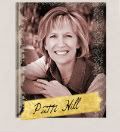
Patti Hill
Reader Alert: I’m a little cranky about this chapter. In fact, I may sound snarky when I don’t mean to. Yes, Maass says true things about characterization, but he also quotes
his other books on writing.
Hello? could we have something fresh here?
And he
speaks in broad generalities, which sound suspiciously like he really is
talking to genre writers. Like this:
A standout protagonist is one who quickly stirs in your reader high admiration. p. 79
Yes. No. Duh! This isn’t wrong. It’s just prescriptive. Are we all writing books about Boy Scouts? This is the kind of stuff I taught my
fourth-grade students. Ack!
(Oh my, this is snarky. So sorry.)
My pulse quickened a bit when Maass started a section on
characters who lack conflict. This is a huge problem for beginning writers.
They want their characters to be nice and not make the writer look bad for
being able to think up very human things for their characters to do. The
result is a boring story. As we talked about last time, the inner
journey—conflict and all—is crucial to creating characters and stories reader
can relate to. I was genuinely eager to hear what Maass had to say.
Any character, whether wholly negative or naively positive or somewhere in between (My question: Has he left anyone out?), can be alive, alert, and engaged in life. But how is that conveyed to the reader? There are three key techniques: the use of observation, opinions, and self-awareness. P. 100
Maass uses Aibileen Clark from The Help as an example of a
character who is a keen observer, especially of the white family she works for and full of opinions she can’t express. And who was more self-aware than a
black woman of the south in 1962? Aibileen knew her place.
But Aibileen is not wholly negative or naively positive or
anything in between. She is human! I can
hear her voice in my head. “You is kind. You is smart. You is important.” Her keen observations, opinions, and
self-awareness are NOT add-ons. They’re who she is.
(I didn’t like this chapter very much.)
But let’s not throw the baby out with the bath water. The
qualities Maass attributes to a well-rounded and interesting character are
valid. They just wouldn’t, in my humble opinion, resurrect a poorly conceived
character. I love a character who can see things I can’t and describe them in
such a manner that makes me groan with pleasure. And I happen to like
opinionated characters, too. They make me squirm and laugh, all as that character turns a mirror on me. As for healthy
self-awareness, I’m reading a novel now about a man who makes note of his bowel
habits in his journal. Too much?
Here are five nuggets you can take from this chapter:
- Heroic protagonists need to show us that they’re human.
- Stronger than surprise is selfless focus. Think Enzo in The Art of Racing in the Rain
- Put as much planning and work into your antagonist as you do your protagonist.
- Don’t skimp on your secondary characters, either. Give them a history and know them well.
- Work on your characters until they fascinate you, then they will fascinate millions of readers.
I was going to continue this discussion on Wednesday, but
that’s about it. Instead, I’ll share something I've learned from a master storyteller that has changed the way I populate my stories. I promise more of a take-away. Also, I will put my snarky self on the shelf--with that obnoxious elf.
And I’ll be reading ahead to see if Maass has anything more
to offer us.
Was I too hard on Maass? Help me out here, what's the most important thing you do to develop human characters? From whom have you learned the most about characterization? Name a character who took your breath away. Can I hide at your house?