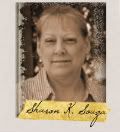
 Conflict is central to fiction, but how do you create a work of fiction that is tense, difficult, and sometimes even frightening, yet make it a place readers want to go to, spend time in, and get to know well?It's funny that in real life we do all we can to avoid conflict, yet in fiction, as in movies, we're all about conflict. To paraphrase James Scott Bell, from Plot & Structure, we are to get our protagonist up a tree, then throw rocks at her. That one sentence helped me grasp the importance of conflict in fiction, and gave me license to be as heartless as I needed to be for the sake of the story. (Gotta love that!)If there's nothing at stake, there's nothing for our readers to invest in, nothing to hold them to the story. We need to bring them to the place where they're saying to our characters, " Don't believe that!" "What are you thinking?!" That's what I aim for.Where is the strangest place that you had a brainstorm and had to stop and write down an idea or snippet of dialogue?When I go to bed at night, while I'm in that relaxed state before sleep, that's when inspiration most often strikes. I used to be like popcorn, jumping up to rush to my office to write down the ideas -- because I will forget -- maybe a dozen times a night. Popping up, popping up . . . Then a friend, bless her, gave me a pen that lights up. I keep it and a notepad by my bed and write my thoughts without having to get up. My husband can always tell what kind of night it was by how much is scrawled on the tablet.I've jotted down ideas during a sermon, written ideas on napkins in restaurants, and on anything handy while riding in a car. But as for the strangest place, I sold my first article from an idea that came to me at a funeral. It seems I never get very far away from my stories.Which one of your characters most resembles you and how did you draw from your life to create them?My family tends to recognize me in my characters before I do, so judging by their input I'd say I'm not the character the reader would most like to be. But I do think I'm the character who eventually learns from her experiences. In defense of my family, they see me in a better light than I see myself, and they'd like that reflected in my writing. Sorry, guys, that's not likely to happen.Tell us about the relationship between your writing and your spiritual life.It's difficult to separate the two, because my writing is do deeply connected to my spiritual life. When I'm dealing with people who haven't yet connected with Christ on a personal level I tend not to be preachy. I usually ease my faith into the conversation, then always wonder if I've failed the Lord by not being bolder. I'm much the same way with my writing -- try not to be preachy or holier than thou. I just want to present an honest picture of Christ as I know Him, to share the love of the One who loved us enough to go to the cross. It's up the Holy Spirit to convict.When you sit down to write, who is your audience?I picture my audience primarily as women who have faced the hard issues of life and lived to tell it. I write about illness, infidelity, doubt, death, because most of us will walk through one valley or another before it's all over. I want women to know it's okay to get mad, cry, even laugh -- especially laugh -- in the midst of our trials, but at the end of the day to look up, because we're never alone. God is right there to take our hand if we'll let him. He is the most faithful friend we'll ever have.How do you know that you have achieved what you're aiming for in a particular passage you're writing? (That is, before showing it to someone else - what rings your internal chime?I'm really never sure until someone else has read it and, hopefully, responded the way I intended. But if I can go back after a while and experience the emotion I was shooting for, then I'm satisfied that I've done the best I can do.Think of a novel you have not written - yet - but would like to one day. The best thing you will ever write before you die. Don't tell us what it will be about, but instead, tell us how it will make the reader feel.It will cause her to smile though her tears, and linger, unable to close that last page, because it's like saying goodbye to a friend you may never see again.Okay, we promised GIVEAWAY CONTESTS, and here is our first:
Leave a comment on anyone's post between now and Jan 30 for a chance to win
Every Good & Perfect Gift or
Lying on Sunday by Sharon K. Souza. Because Sharon writes stories about extraordinary friendship, tell us about your best friend.
Thank you for sharing your time with those of us at Novel Matters. Please come back, and let us know what you're thinking. We love to hear from you.
 This is bonus giveaway month at NovelMatters! First there’s the extraordinary opportunity to have your own novel in the hands of a top literary agent – that’s the point of our fantabulous big contest. Though it will run for several months, your best chance is to submit early so that you will get a thorough, non-deadline-bleary-eyed look from the six of us who will pre-qualify the finalists. Click here for the rules.